
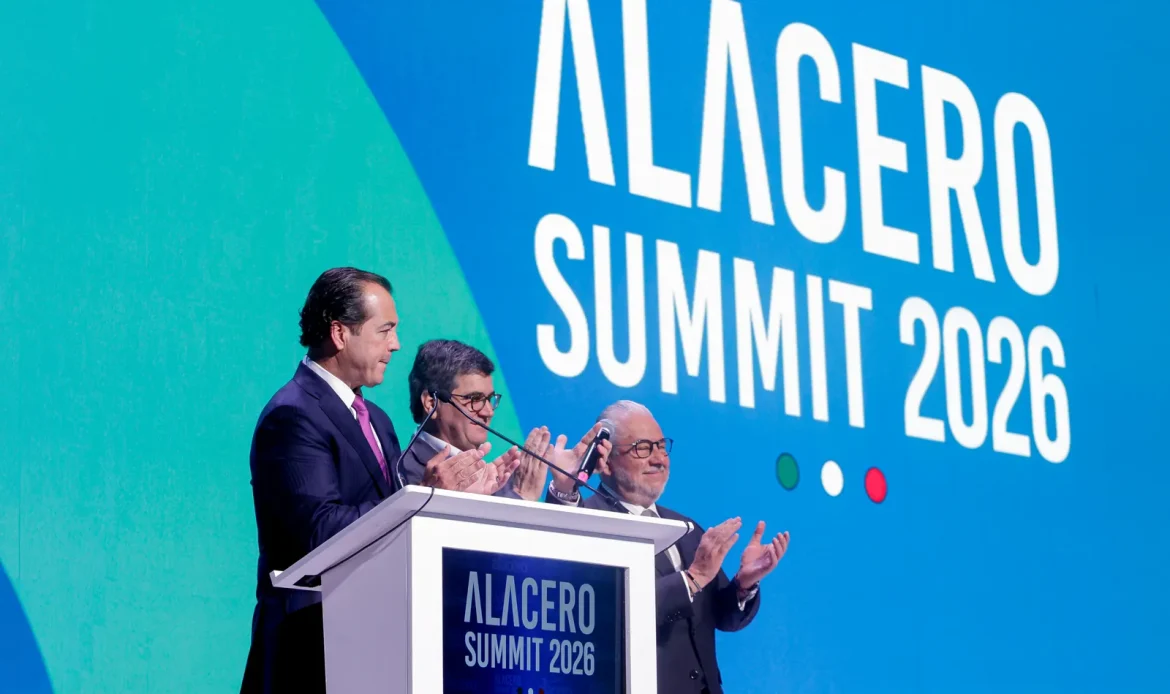
More than 700 industry representatives, government officials, experts and business leaders gathered in Mexico City to discuss the challenges and opportunities arising from shifts in global trade. The event highlighted the need for a comprehensive, coordinated industrial policy to expand the region’s production capacity.
Over the course of two days, participants agreed that growing global steel overcapacity, industrial subsidies, and distortions in international markets require a response that goes beyond traditional trade defense mechanisms and extends across the entire value chain to address distortions of competition, curb deindustrialization, and sustain production, investment, and quality jobs.
In his closing remarks, Ezequiel Tavernelli, executive director of Alacero, highlighted that one of the main outcomes of the meeting was the consensus on the magnitude of the challenges and the urgency of developing joint solutions between governments and industry.
“The diagnosis is no longer up for debate. We are not competing against companies; we are competing against a government on an uneven playing field. The response must be comprehensive, and no one can save themselves alone. No country and no company will be able to solve this on its own. Governments and industry across the region must work together,” Tavernelli said.
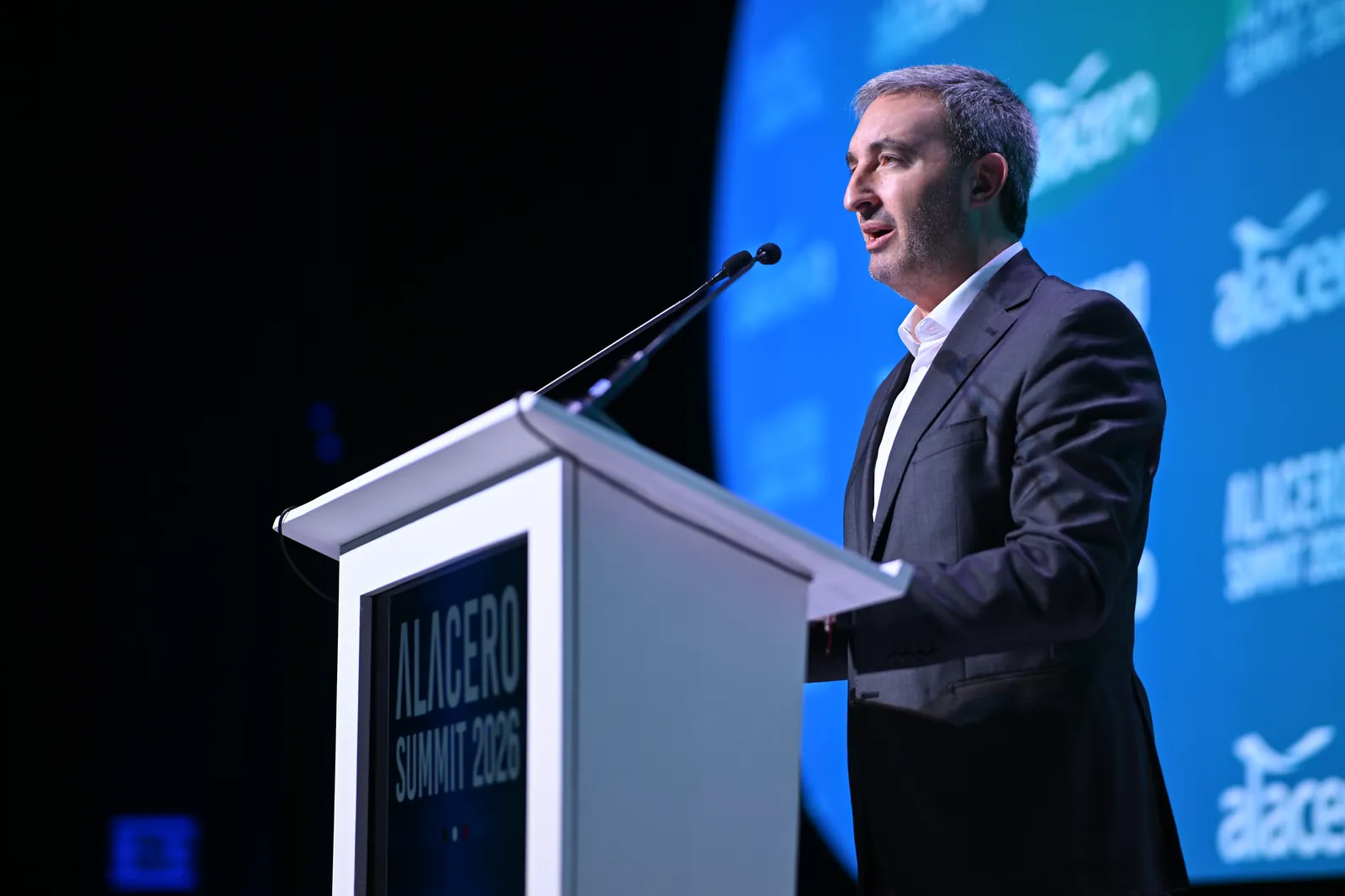
One of the central themes of the Summit was the competition resulting from China’s state support policies. During the meeting, it was noted that China allocates more than 5% of its GDP to subsidizing its industry, creating competitive conditions that affect producers in other regions and put pressure on Latin America’s industrial capacity.
In this regard, the presentation of the initial findings from a study conducted jointly by Alacero and the Organization for Economic Cooperation and Development (OECD) stood out. The study analyzes steel imports into Latin America—both direct and indirect, incorporated into manufactured goods—with a special focus on China and Southeast Asia.
More than half of the Chinese steel that reaches the region does so indirectly, incorporated into machinery, vehicles, and other manufactured goods, while Latin American steel mills are operating at approximately 60% of their capacity. These findings highlight the need to broaden the scope of industrial and trade policies to consider not only direct steel imports but also its presence in finished products.
For his part, Máximo Vedoya, president of Alacero, highlighted the Latin American steel industry’s commitment to the region’s development. “Between investments already made and those planned, the sector will have allocated $35 billion to Latin America over a ten-year period. To strengthen our competitiveness, we need comprehensive industrial policies that go beyond tariffs, improve conditions for investment, promote purchases with domestic content, and strengthen regional value chains,” he said.
Luis Rosendo Gutiérrez Romano, Undersecretary of Foreign Trade, concluded that “The steel industry is one of the strategic sectors we are most interested in protecting. We have managed to reduce imports from countries with which Mexico does not have trade agreements by nearly 30 percent, which represents approximately 13 billion pesos worth of steel products that have been prevented from entering the country. As of October 31, 2026, 55% of our efforts to combat unfair practices were focused on this industry, reaffirming our commitment to defending domestic production, ensuring steel traceability, and strengthening our trade integration with North America.”
The meeting also provided an opportunity to identify ways to deepen collaboration among Latin American countries and strengthen productive integration with North America. Kevin Dempsey, president and CEO of the American Iron and Steel Institute (AISI), urged working alongside the United States in international forums to advance toward greater integration. Alacero highlighted the importance of such cooperation in coordinating responses to global overcapacity and strengthening value chains in the Americas.
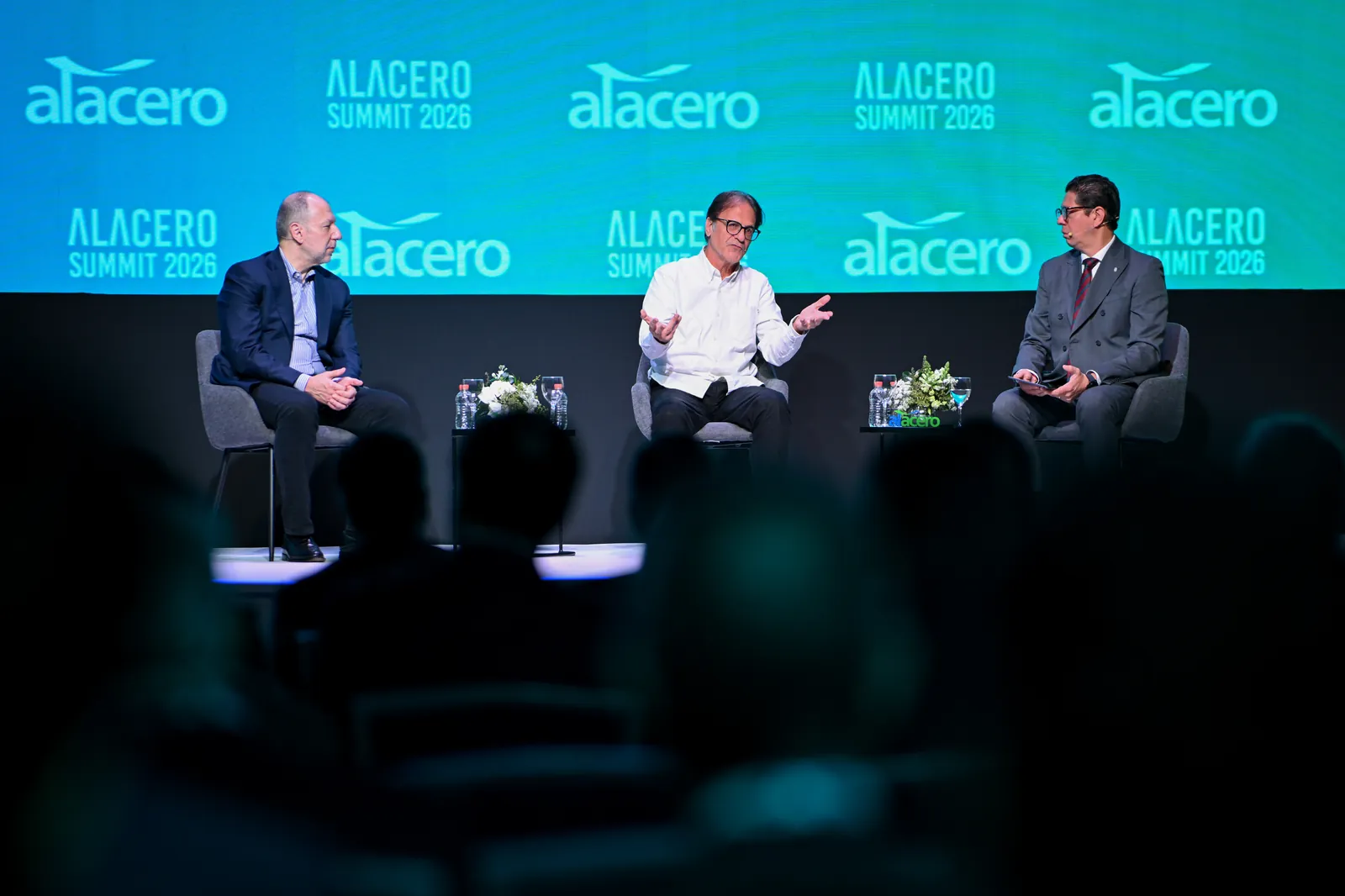
With Mexico as the host country and the support of the National Chamber of the Iron and Steel Industry (CANACERO), the Alacero Summit 2026 concluded its activities by reaffirming the importance of regional collaboration and dialogue between the public and private sectors as fundamental conditions for building a Latin American steel industry that is more competitive, integrated, and prepared for the challenges of global trade.